01 · Overview
What is meningitis?
Meningitis is inflammation of the meninges, the thin membranes surrounding the brain and spinal cord. It can develop rapidly or over days to weeks. The cause determines the treatment and prognosis, so the clinical team must distinguish dangerous bacterial disease from viral, tuberculous, fungal and non-infectious forms.
Encephalitis affects the brain tissue itself and can coexist with meningitis. Confusion, seizures, marked drowsiness or behavioural change increase concern for brain involvement.
02 · Causes
Bacterial, viral and other forms
Bacterial meningitis is the most urgent common form and can cause sepsis, stroke, hearing loss or death. Viral meningitis is more common and often milder, but some viruses can cause severe disease. Tuberculous meningitis usually evolves more gradually and often affects the brain base and vessels.
Fungal meningitis mainly affects people with impaired immunity or particular environmental exposures. Rare amoebic or parasitic infections depend on geography and exposure. Non-infectious meningitis can be related to autoimmune disease, cancer, medicines or chemical irritation; it is diagnosed only after infection is carefully considered.
03 · Warning signs
Symptoms and people at higher risk
Typical symptoms include fever, severe headache, neck stiffness, light sensitivity, vomiting and altered alertness. A non-blanching rash can occur with meningococcal infection, but waiting for a rash is unsafe because it may be absent.
Babies may be irritable, feed poorly, become unusually sleepy or develop a bulging fontanelle. Older adults and immunocompromised people may have muted fever or stiffness. Newborns, older adults, people without a spleen, and those with immune suppression, skull-base defects, CSF leaks or cochlear implants need particular vigilance.
- Rapid deterioration, confusion or difficulty waking
- Seizure, new weakness or speech difficulty
- Purple or non-blanching rash, cold limbs or breathing difficulty
- Severe headache with fever and neck stiffness
04 · Diagnosis
Lumbar puncture and laboratory tests
In hospital, clinicians assess circulation and neurological status, take blood cultures and other tests, and start treatment without harmful delay. A lumbar puncture measures and samples cerebrospinal fluid for cells, protein, glucose, culture and molecular tests such as PCR.
Most people with suspected meningitis do not need CT or MRI before lumbar puncture. Imaging is performed first when examination suggests a mass effect or raised intracranial pressure—for example new focal deficits, severely reduced consciousness, papilloedema or certain seizure patterns. If lumbar puncture must wait, urgent antibiotics must not wait with it.
05 · Neuroimaging
The role of CT and MRI
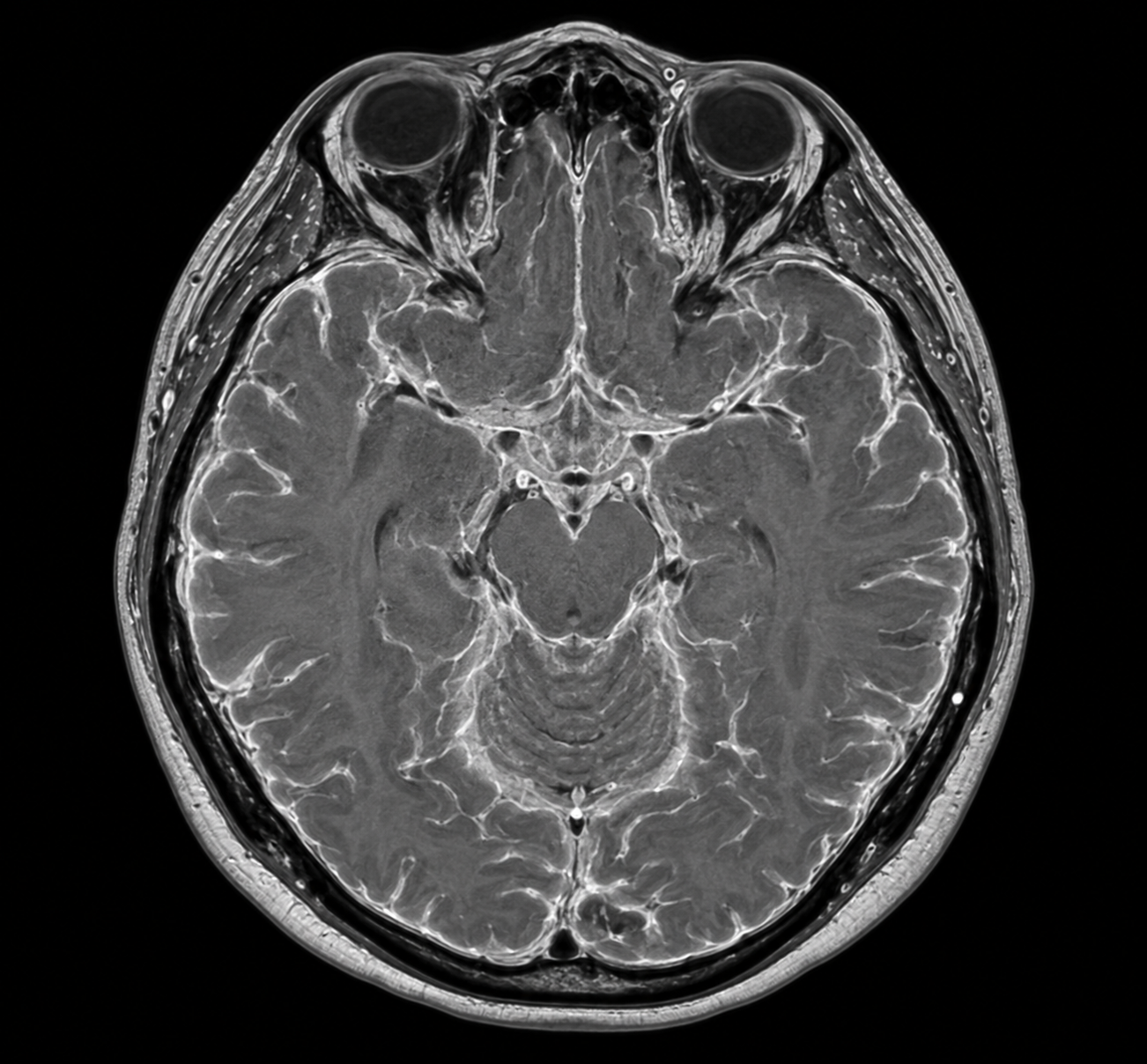
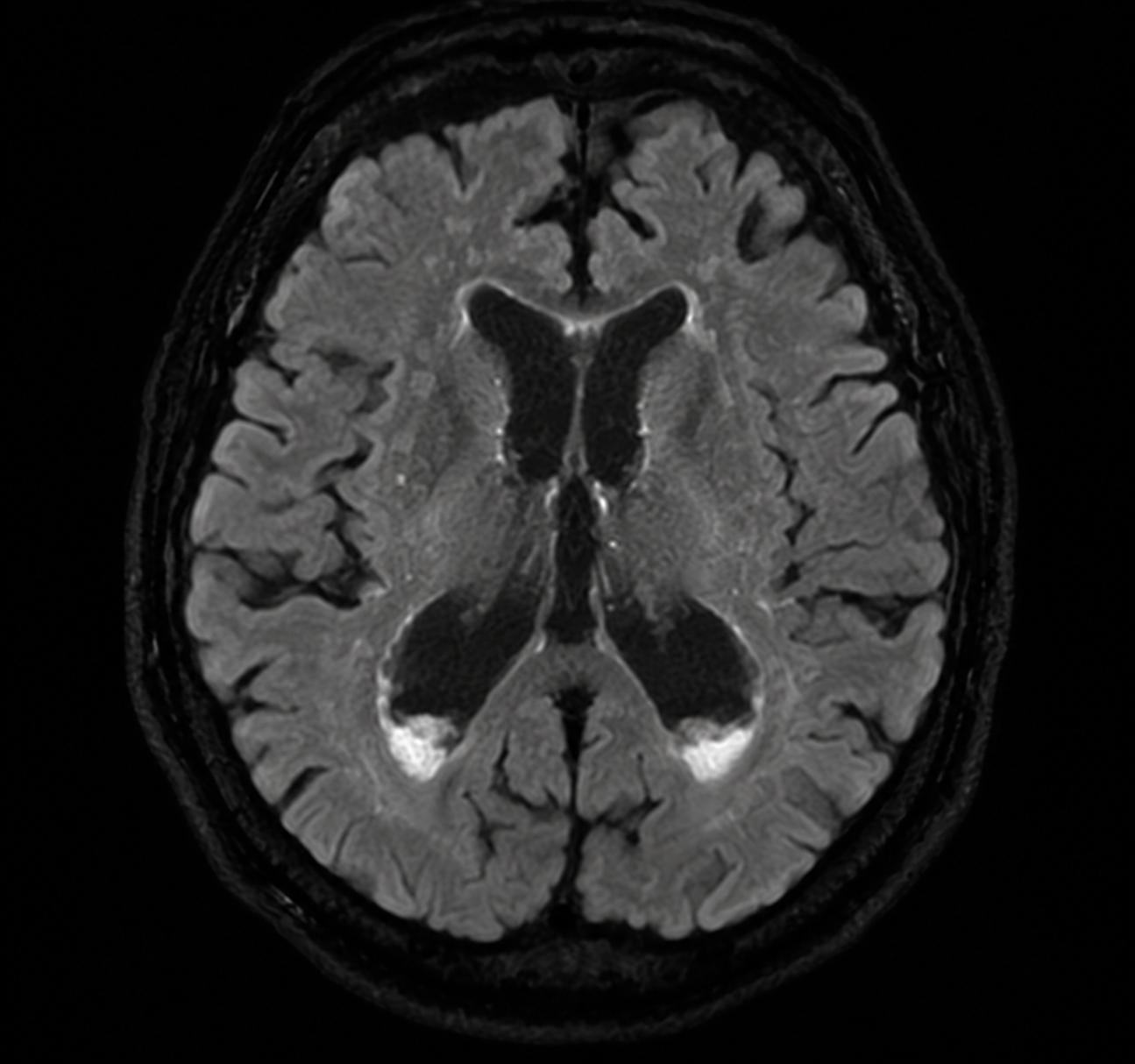
CT is fast and helps assess mass effect, hydrocephalus, major swelling or another diagnosis. Contrast-enhanced MRI is more sensitive for leptomeningeal inflammation and complications such as ventriculitis, abscess, empyema, cranial-nerve involvement, infarction or venous thrombosis.
Imaging is especially useful in atypical or subacute illness, focal neurological deficits, treatment failure or suspected complications. The neuroradiologist interprets the pattern together with the infectious-disease, neurology and microbiology teams.
06 · Treatment and prevention
Treatment depends on the cause
Suspected bacterial meningitis is treated urgently with intravenous antibiotics, with other medicines selected according to age, immune status and the likely organism. Antivirals are used for selected viral causes; tuberculosis and fungal infections require prolonged specialist regimens. Non-infectious meningitis needs cause-directed treatment only after infection is addressed.
Vaccination prevents several important bacterial and viral causes. Close contacts of meningococcal disease may need prompt preventive antibiotics and public-health advice. Follow-up may include hearing, neurological and rehabilitation assessment.
07 · Evidence